
Modern Office Furniture Trends Reshaping Dubai Workplaces in 2026
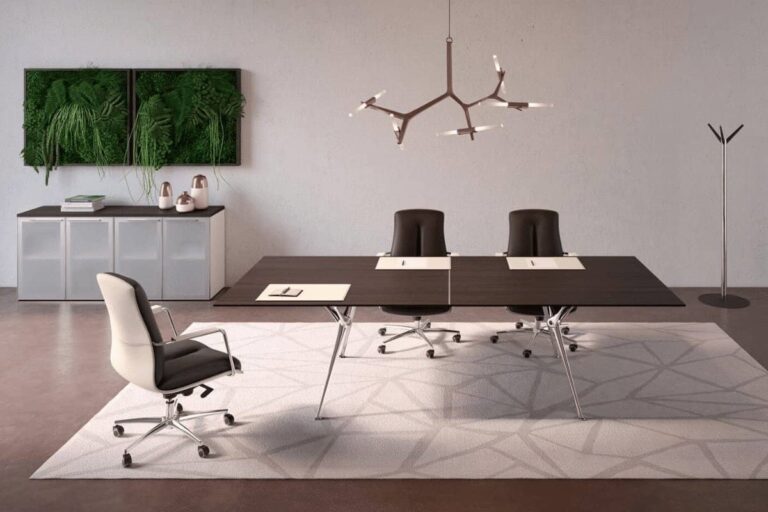
Walk into an office from five years ago, and you’ll notice the difference immediately. Closed cabins, bulky desks, and fixed seating defined the space.
Now step into a newer office in Dubai with modern office furniture. The layout feels open, the furniture feels lighter, and people move around more freely.
This shift didn’t happen by accident.
Work has changed, and furniture has followed. If your office still feels rigid or outdated, the issue is not just design. It usually comes down to how your furniture supports daily work.
Let’s break down what’s changing and what it means for you.
10 Modern Office Furniture Trends Reshaping Dubai Workplaces in 2026
1. Offices Don’t Feel Like Offices Anymore
Work today is not tied to one desk. Your team moves between tasks, quick meetings, and focused work. But many offices still rely on fixed layouts designed for a different way of working.
That’s where friction begins.
You’ll notice people shifting seats, taking calls in corners, or avoiding their desks altogether. The setup feels restrictive, even if the space looks good.
Modern office furniture solves this by making movement easier. It allows your space to adapt instead of forcing your team to adjust.
2. Comfort Is No Longer Optional
Most teams won’t complain directly, but they feel it every day. Poor seating, fixed desk heights, and tight setups slowly drain energy.
By midday, focus drops.
Modern office furniture addresses this without making it obvious. Chairs support posture. Desks adjust to different working styles. Soft seating areas give people a break from rigid setups.
This is not about luxury. It’s about helping your team stay comfortable enough to do their best work.
3. Desks Are Getting Smarter
A desk is no longer just a flat surface.
In many Dubai offices, you’ll now see height-adjustable desks that let employees switch positions during the day. Cable management is built in, so workstations stay clean and usable. Power access is easier, so people don’t waste time searching for sockets.
These changes may seem small, but they remove daily frustrations. When your team spends hours at their desk, even minor improvements make a noticeable difference.
4. Offices Are Built for Movement
Older offices were designed for stability. You sat in one place and worked there all day.
That approach no longer works.
Modern workplaces are designed to shift as needed. A focused work area in the morning can turn into a collaborative space later in the day. This flexibility only works when furniture supports it.
Heavy, fixed desks limit movement. Flexible setups allow your office to evolve throughout the day.
5. Collaboration Comes First
Look at how your team works now. They discuss ideas, share screens, and solve problems together. Traditional desk setups were not designed for this kind of interaction.
That’s why many offices now include shared tables, open desks, and informal seating areas. These spaces make it easier for teams to connect without forcing interaction.
If your office only supports individual work, collaboration will always feel like an interruption.
6. Minimal Design Is Taking Over Dubai Offices
New offices across Dubai are moving toward cleaner layouts. Bulky furniture is being replaced with simpler designs that feel lighter and more open.
Neutral tones, refined finishes, and uncluttered setups are becoming the standard. This approach makes spaces feel larger and more organised.
It also improves how your office is perceived. A clean environment feels more professional and easier to work in.
7. Furniture Now Reflects Your Brand
Your office is part of your identity. Clients notice it, and your team experiences it daily.
Modern office furniture helps you express that identity clearly. A structured layout shows discipline. A relaxed setup shows openness. Premium finishes show attention to detail.
This goes beyond appearance. It influences how people feel when they enter your space.
8. Spaces Are Getting Quieter and More Private
Open offices looked great at first. Then the noise became a problem. People take calls at their desks. Conversations overlap. Focus drops quickly.
That’s why many Dubai offices now include quiet zones. Phone booths, acoustic pods, and semi-private seating are becoming common.
These are not full cabins. They are small, focused spaces within open layouts. They give your team a place to think, take calls, or work without distractions. If your office feels noisy, this is usually what’s missing.
9. Breakout Areas Are Becoming Part of Daily Work
Breakout spaces are no longer “extra” areas. They are part of how work gets done.
You’ll see lounge seating, casual tables, and relaxed corners in many offices now. Teams use these spaces for quick discussions, informal meetings, or even focused work.
This shift is simple. People don’t want to sit at the same desk all day.
If your office offers only one seating type, your team will start creating their own workarounds.
10. Storage Is Becoming Smarter and Less Visible
Older offices relied on bulky storage units. Large cabinets. Heavy drawers. Visible clutter. Modern offices are moving away from that.
Storage is now built into desks, walls, or hidden within the layout. The goal is to keep the workspace clean without losing functionality.
This makes the office feel lighter and more organised. It also improves movement and reduces visual noise. If your office feels crowded, storage is often the reason.
6 Most Common Mistakes Businesses Make When Upgrading Office Furniture in Dubai
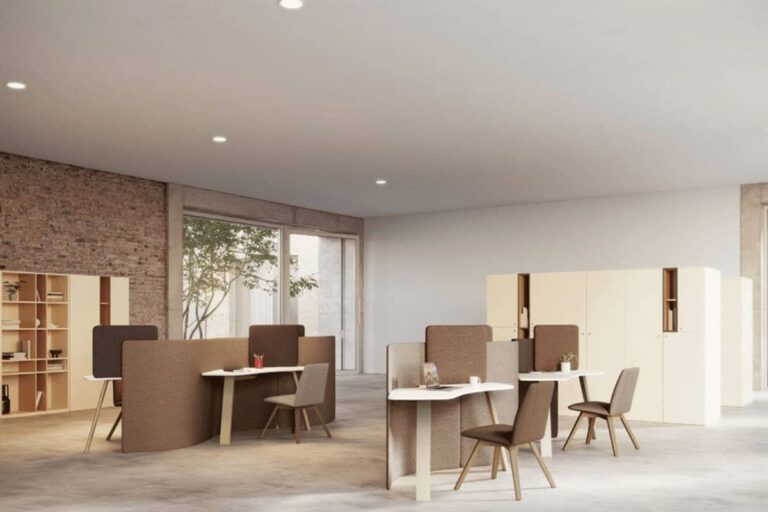
Upgrading your modern office furniture sounds exciting. New furniture, better layout, fresh energy. But this is where many businesses get it wrong.
They focus on how the office looks. They ignore how it actually works.
That’s when problems start showing up within weeks.
Addressing Common Queries
1. Choosing Style Over Function
A desk or chair may look great in a catalog. But if it feels uncomfortable after a few hours, it becomes a problem. Your team won’t care how good it looks if it slows them down. Always test for comfort and usability first.
2. Ignoring How the Team Actually Works
Every team works differently. Some need quiet focus. Others need constant interaction. If your furniture doesn’t match this, people will start adjusting the space themselves. That leads to clutter and poor flow.
3. Overcrowding the Office
Trying to fit too much into one space is a common mistake. More desks do not mean more productivity. Tight layouts make movement more difficult and create stress throughout the day. Space to move is just as important as space to work.
4. Following Trends Without Context
Not every trend will suit your office. What works in a creative agency may fail in a corporate setup. Mindlessly copying layouts often results in mismatched spacing. Always plan based on your own needs.
5. Skipping Long-Term Planning
Many offices are designed for today, not for growth. Teams expand. Roles change. Layouts need to be adjusted. If your furniture setup is rigid, you’ll end up redoing everything sooner than expected. Think at least one or two years ahead.
6. Rushing the Decision
Furniture decisions are often made quickly to “get things done.” That speed usually leads to compromises. And those compromises show up daily in how your team works. Take time to plan properly. It saves you from having to fix things later.
Conclusion
Your office does more than hold desks and chairs. It quietly shapes how your team thinks, moves, and works every day.
If you’re planning an upgrade, don’t start with products. Start with your space, your team, and how work really happens in your office.
This is where Studio WB makes the process easier.
They don’t just help you pick furniture. They review your layout, understand your workflow, and recommend solutions that fit your office best. Whether you need a full setup or a targeted upgrade, you get guidance that avoids guesswork.
If your workspace feels outdated or inefficient, this is a good time to fix it.
Contact Studio WB and start building a workspace that works as well as your team does.
FAQs:
Furniture that improves comfort, flexibility, and daily work efficiency.
Flexible layouts, ergonomic desks, quiet zones, and minimal design.
Start with your team’s workflow, then plan layout and furniture accordingly.
Every 5–7 years, or when your workspace no longer supports your team.